
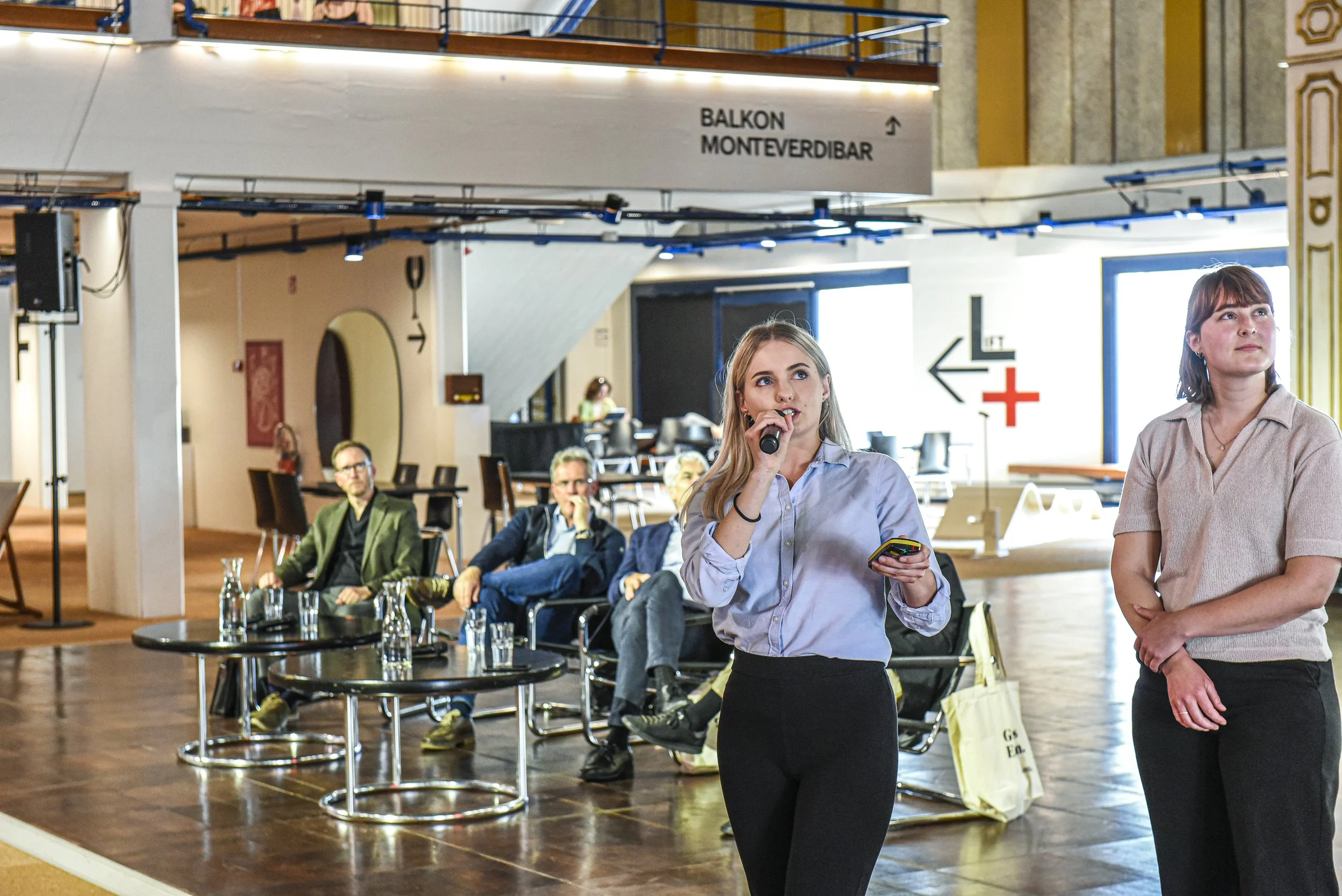
Speakers at the " Konferenz Dritte Orte
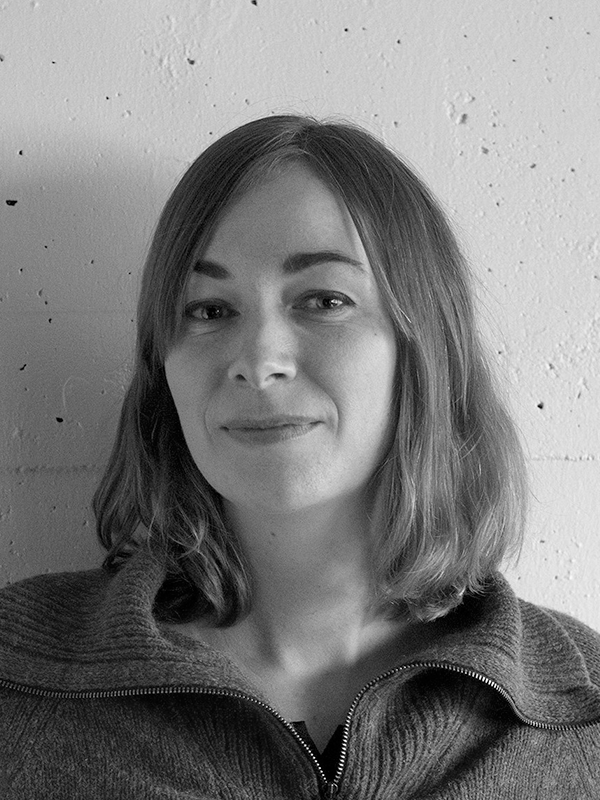
Anja Adam
Cultural Manager and Educator, Theater Basel
Anja Lisa Adam is a cultural manager and educator specializing in participation and cultural engagement.
She studied musicology and music education with a major in piano, as well as secondary school teaching with a focus on history, geography, and English and American studies at the universities of Erlangen, Munich, and Würzburg. In 2008, she had her first encounter with the field of cultural education as part of the team at the Elbphilharmonie and Laeiszhalle in Hamburg. It was love at first sight. In the years that followed, she held positions as an educator and project manager at the Ensemble Modern in Frankfurt (as a fellow of the International Ensemble Modern Academy), the Württemberg Chamber Orchestra Heilbronn, the Mozartfest Würzburg, Carnegie Hall in New York, the Mercator Foundation Switzerland, and the Theater Basel. Since then, she has led numerous participatory projects with artists including Bill Forsythe, Jörg Widmann, Dai Fujikura, Marius Felix Lange, and Tom Ryser. She also works as a freelance cultural manager and lecturer at institutions such as the FHNW School of Music, the Lucerne School of Music, and the Tokyo Metropolitan Theatre.
Anja Adam has been with Theater Basel since the 2015–2016 season. She began as a music theater educator and dramaturg (working on productions such as *The Emperor of Atlantis* and *The Three Robbers*, as well as the world premieres of *The Golden Beetle* and *Schellen-Ursli*). Since 2018, she has played a key role in developing Theater Basel’s outreach initiatives through the launch of Foyer Public and other projects. She is co-director of the Theater Public division and a member of the theater’s management team.
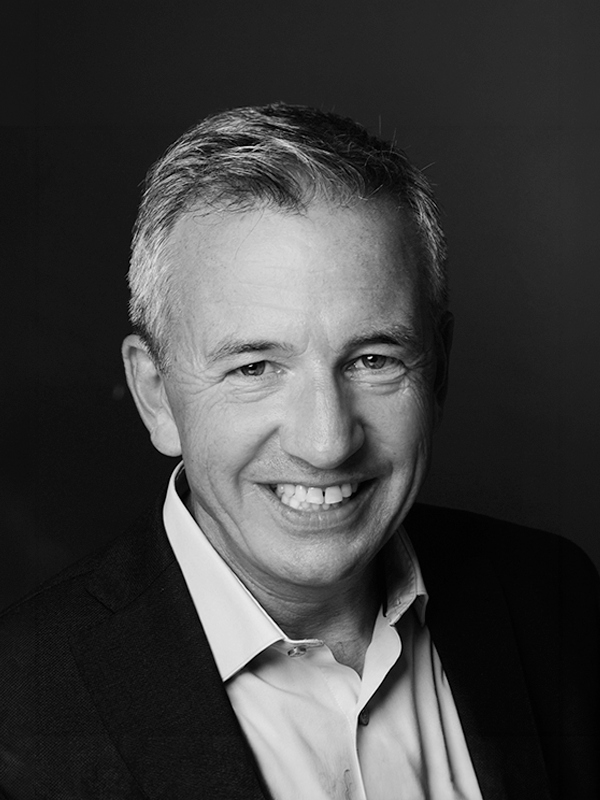
Michael Amtmann
Head of Communications / Press Spokesperson, Gasteig Munich
Michael Amtmann is a communications expert. Since 2014, he has headed the communications department at the Gasteig in Munich, Europe’s largest cultural center. With 90,000 square meters of floor space, the Gasteig is home to the Munich Philharmonic, the Munich City Library, the Munich Adult Education Center, the Munich University of Music and Performing Arts, several festivals, and more than 400 event organizers.
Since its opening in 1985, the Gasteig—with several thousand square meters of public space—has served as a “third place.” This is even more true of the temporary Gasteig HP8 facility, which opened in 2021 while the main building underwent renovation. A former industrial hall converted into the concert hall’s foyer—which also houses the library and serves many other purposes—presented an opportunity to create an attractive third place. Michael Amtmann has been involved in the communication efforts for this new space from the very beginning.
Before joining Gasteig, he served as head of communications for the Munich Film Festival and worked as a producer, writer, and director of documentary films. Michael Amtmann holds a degree in journalism and is a graduate of the German School of Journalism.

Natasha Anderson
Head of Community Engagement, Sadler’s Wells
Natasha Anderson is Head of Community Engagement at Sadler’s Wells in London. As part of the “Learning and Engagement” team, she leads participatory arts and engagement activities in Islington and East London, with a focus on young people, low-income individuals, and older adults. She oversees participatory activities on the dance floor at Sadler’s Wells East, the organization’s new theater in Olympic Park. To this end, she collaborates with local communities to co-develop programs that prioritize access, belonging, and a shared cultural space.
With over twenty years of experience in the arts and culture sector, Natasha Anderson has worked in community engagement, arts education, audience development, and marketing. Her previous roles include positions at the Barbican Centre, the Bernie Grant Centre, and Iniva. Her approach is rooted in building long-term relationships with communities and embedding civic and social values within cultural institutions.
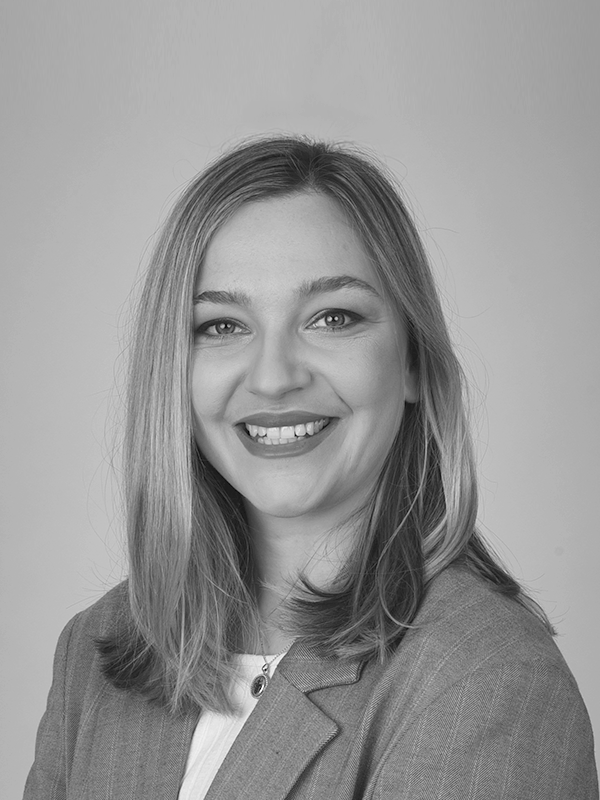
Nadine Apperle
Deputy Director of Finance & Administration, Theater Basel
Nadine Apperle applies her expertise at the intersection of artistic production, organization, and financial management. She has been working at Theater Basel since 2021 and has served as Deputy Director of Finance & Administration since 2024, where she shares responsibility for budgeting and financial management of the multidisciplinary theater and supports strategic and organizational development processes at the management level.
Prior to this, Nadine Apperle worked for several years at the Tyrolean Festival Erl, where she supported the management team on operational and strategic matters: from grants and sponsorship to HR processes, internal guidelines, and the further development of organizational structures. In addition to her practical work, she taught as an instructor in the “Sports, Culture, and Event Management” program at the University of Applied Sciences Kufstein Tirol and focused on teaching structures and processes in cultural organizations.
In her work, she is particularly interested in how artistic integrity, economic conditions, and institutional responsibility can be reconciled. A key focus is on sustainable organizational and funding models, as well as on the long-term development of resilient cultural organizations.
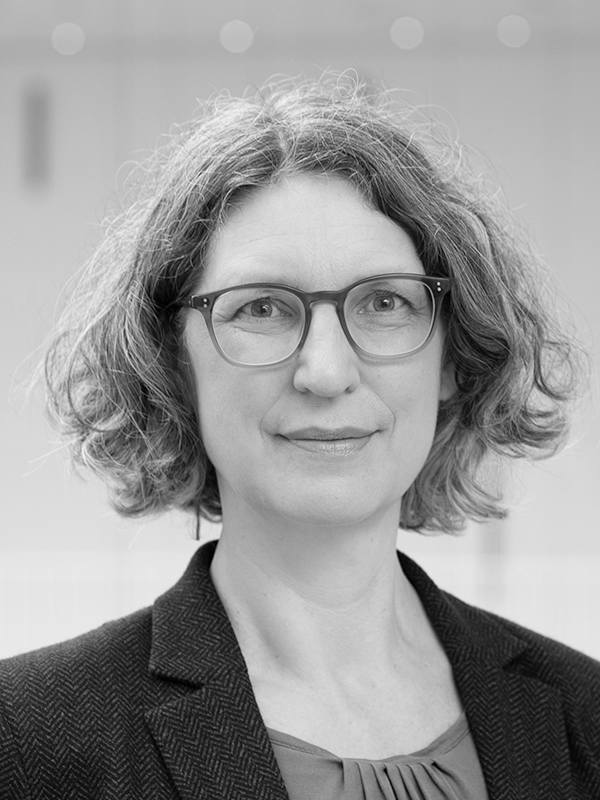
Julia André
Head of the Aging and Demographics Division and Director of the KörberHaus,
Körber Foundation
Julia André heads the Aging and Demographics division at the Körber Foundation and oversees the KörberHaus in Hamburg-Bergedorf—an open community space for people of all generations and cultures. Together with her team, she drives projects that create opportunities for active social participation and co-creation—both locally within communities and in the digital sphere. A current focus is on connecting the creators of third places, both nationwide and at the European level through the “Third Places Network.”
Julia André studied German language and literature, philosophy, and art history, and initially worked as an editor for various academic publishers. Since 2003, she has held various positions at the Körber Foundation. Before joining the KörberHaus, she managed an academic award, developed initiatives on the topic of “digital literacy,” and most recently established and led the Education Division, which was founded in 2018.
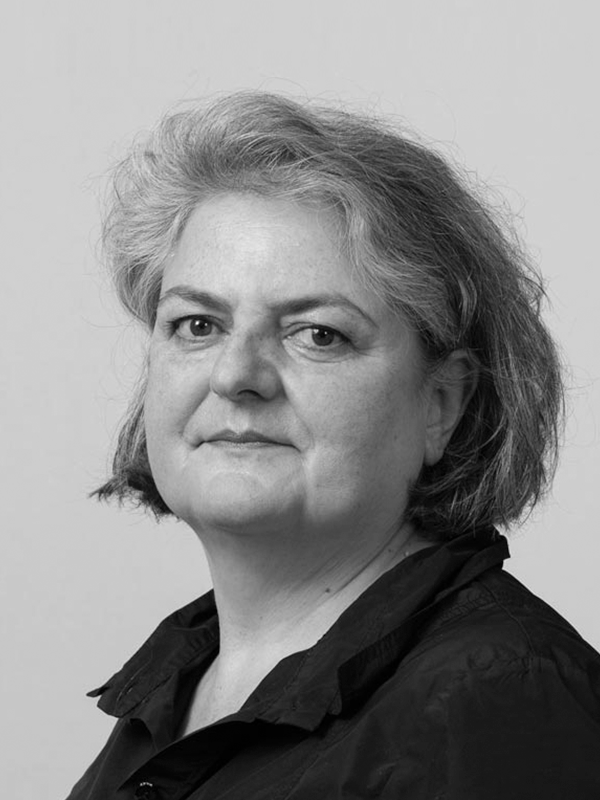
Ursula Baum
Executive Director, GGG Benevol
Ursula Baum is the director of GGG Benevol, the center of excellence for volunteer work within the Society for Good and Charitable Causes in Basel (GGG Basel).
GGG Benevol matches volunteers with suitable opportunities and supports organizations in establishing and developing volunteer programs. The agency was founded in 1992 and, in addition to providing consulting and matching services, also runs its own projects in the areas of integration, social participation, and intergenerational solidarity.
Ursula Baum is actively involved in developing and updating the volunteer work standards of benevol CH, and her work is guided by the theories of volunteer management put forth by the Beratergruppe Ehrenamt. She is committed to promoting and professionalizing strategic volunteer management in organizations and associations.
Before joining GGG Benevol, Ursula Baum worked in the business sector—specifically in organizational consulting and training for employees, managers, and HR professionals. She successfully applies this experience, along with her training in social work, supervision, and organizational development, as well as in business administration, to her work. Her ability to take a holistic view is particularly important for the development of new volunteer projects.
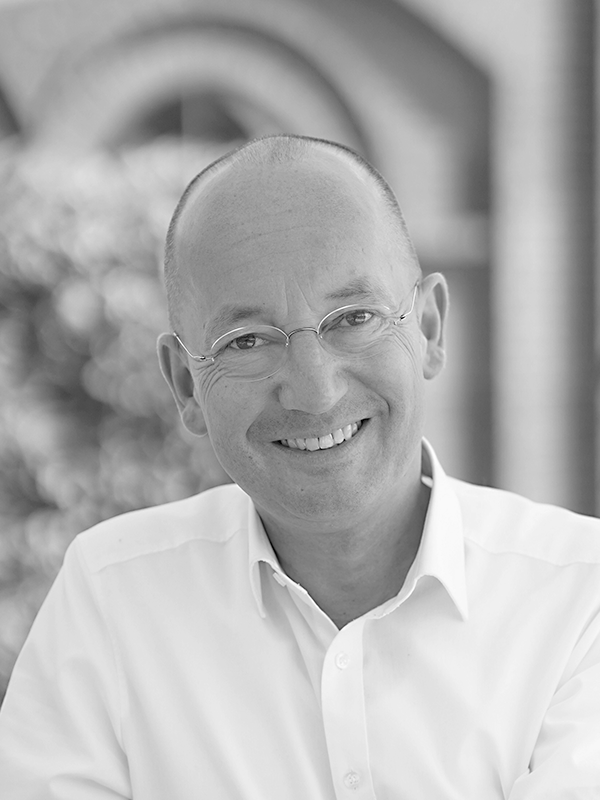
Tobias Bäcker
Managing Director, Third Places Network / pro loco
Tobias Bäcker studied theater studies, German language and literature, and Slavic studies (M.A.). After ten years of freelance theater work (directing and production), he launched the “Rohrmeisterei” project in Schwerte, in the Ruhr region, in 1999. Since 2001, he has served as the executive director of the foundation that developed and renovated this industrial landmark and operates it as a community and cultural hub without government subsidies. The venue features a cultural program with 200 events annually, a restaurant with 30 employees, and a constant stream of new cultural self-empowerment projects involving young people. This place for engagement and enjoyment sees itself as a catalyst for urban development through culture.
Since 2018, he has been the managing partner of pro loco. On behalf of the Ministry of Urban Development of North Rhine-Westphalia, pro loco oversees the “Management Initiative ergreifen – Engagement macht Stadt” program and supports community-led urban development projects. Since 2019, pro loco has served as the “Program Office for Third Places – Spaces for Culture and Encounter in Rural Areas” for the Ministry of Culture and Science of North Rhine-Westphalia. pro loco works with local governments and advises cultural institutions on their further development, including in Kiel, Aachen, and the Ruhr region. Since 2025, Tobias Bäcker has been spearheading the establishment of a nationwide network of Third Places.
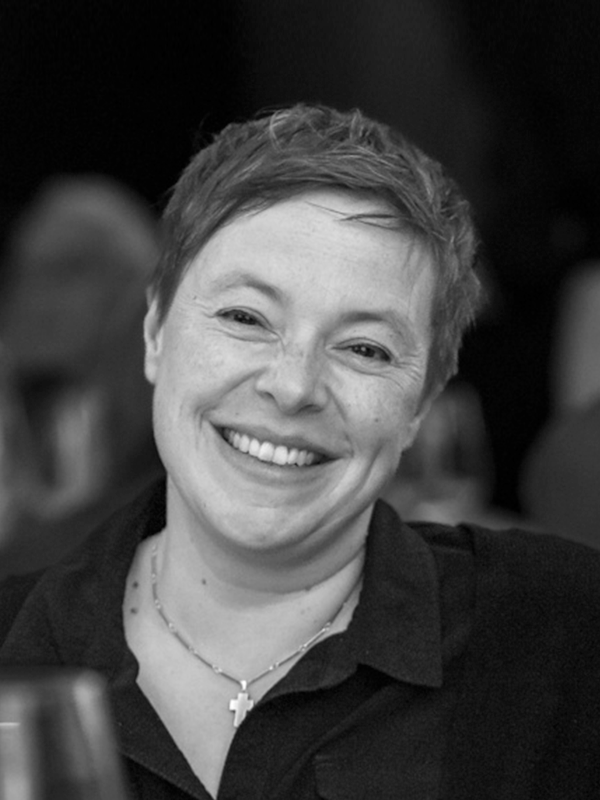
Anne Burgmer
Communications Officer, Roman Catholic Church of Basel-Stadt
Anne Burgmer grew up in a family of church musicians and teachers in North Rhine-Westphalia. In 1996, she moved to Bonn to study Catholic theology. After a hiatus due to emigration and family life, she completed her studies in 2009 at the University of Lucerne. This was followed by several years of journalism and editorial work at the former Aargau parish newsletter Horizonte. At the same time, she spent three years as a pastoral counselor in the red-light district of Basel-Stadt, where she established the bicantonal project office “SiTa – Pastoral Care in Taboo Areas.” The office is celebrating its tenth anniversary this year. Always oscillating between journalism and pastoral care, Anne Burgmer began part-time training as a pastoral counselor in 2019 and subsequently became the “Catholic half” of the ecumenical co-leadership of the Citykirche Offene Kirche Elisabethen in August 2022.
Ultimately, however, she found herself drawn back to text, words, and images. Anne Burgmer currently serves as the communications director for the Roman Catholic Church here in Basel-Stadt (RKK BS). In this role, she is part of the special pastoral care team, which focuses heavily on how the RKK BS can maintain a visible and accessible presence in the city beyond its traditional venues.
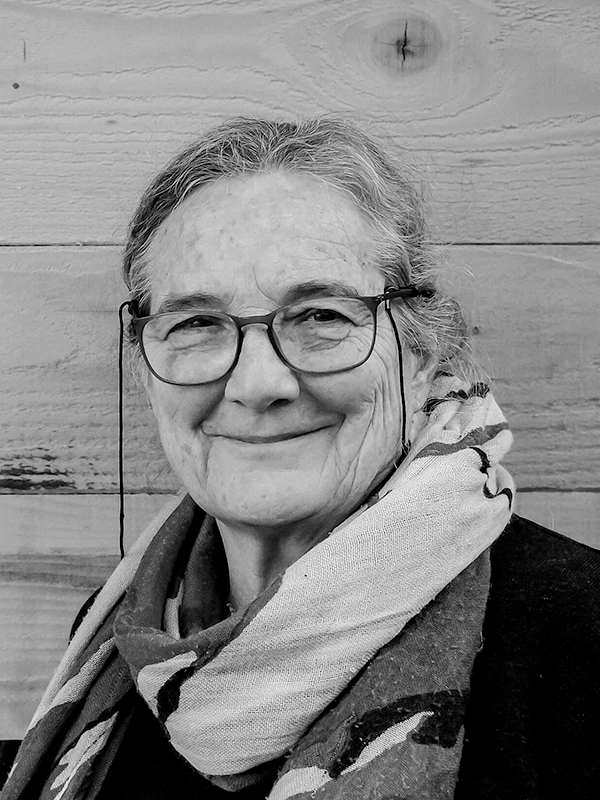
Barbara Buser
Architect, in situ architectural firm
Barbara Buser is regarded as one of the pioneers of the circular economy in construction in Switzerland. Long before issues of reuse and resource conservation gained widespread attention in architecture, she was already exploring strategies in this area. As early as 1996, she founded the first building materials exchange in Basel together with Klara Kläusler. Since then, she has initiated and carried out numerous adaptive reuse projects with her firm baubüro in situ, in collaboration with Eric Honegger.
She is a co-founder of denkstatt sàrl, a firm specializing in participatory urban development; of unterdessen gmbh, which focuses on temporary uses for all types of properties; and of the cooperative “wohnen & mehr,” dedicated to the redevelopment of the Felix Platter site in Basel. In 2017, she was appointed to the Basel Cityscape Commission, and in 2021 to the Monument Council. She co-founded Hotel Krafft AG, Predigerhof AG, Markthallen AG, and Klara13 AG. Among other honors, Buser received the Prix Meret Oppenheim in 2020, the Global Gold Award for Sustainability from Holcim in 2021, the City of Basel Culture Prize in 2024, and most recently the Jane Drew Prize in 2026.
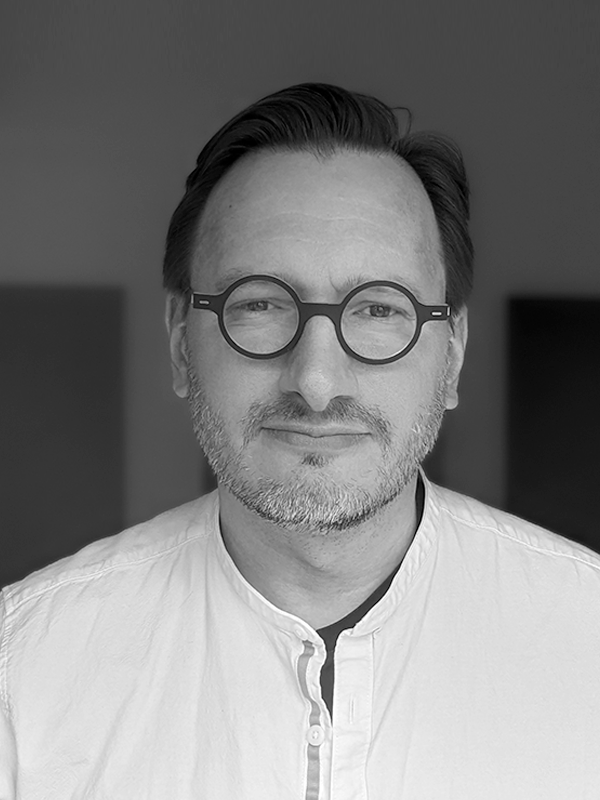
Robin Cantrill-Fenwick
Chief Executive, Baker Richards Consulting
Robin Cantrill-Fenwick is Managing Director of Baker Richards, a consulting firm specializing in the arts, culture, and visitor attractions. He also serves as editor-in-chief of Arts Professional, the leading British magazine for cultural managers and arts sector executives.
With three decades of experience using data and digital systems to transform organizations, Robin leads a team that advises museums, galleries, theaters, concert halls, and immersive experiences on revenue strategy, audience segmentation, market research, and strategic development—including in the United Kingdom, the United States, Canada, Australia, Ireland, Italy, New Zealand, France, Denmark, and Sweden.
Baker Richards aggregates and analyzes box office and attendance data from theaters across the United Kingdom, including the West End. Robin also leads the research team that oversees UK Heritage Pulse—a national network of cultural heritage professionals. Previously, Robin served as Deputy Managing Director at the Mercury Theatre. Other highlights of his career include serving as Director of Digital and Communications at the Association for Cultural Enterprises, where he founded an online academy for cultural organizations, as well as roles in digital transformation at the National Trust, the University of Westminster, and the Royal Society.
Robin began his career as a journalist and editor and also worked as a digital campaign strategist for the Liberal Democrats. He volunteers as a trustee of the Graeae Theatre Company, a theater company and human rights organization run by people with disabilities.
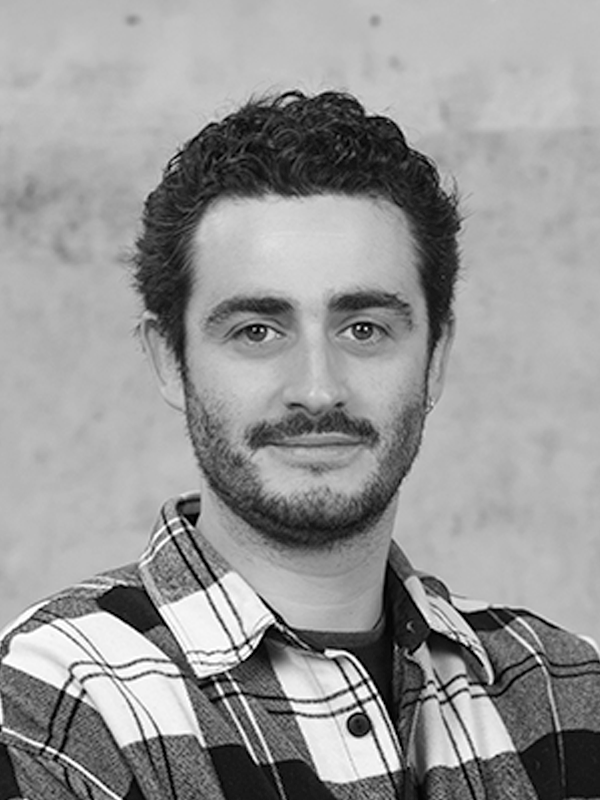
Martin Colomer-Diez
Director of Cultural Engineering, CENTQUATRE-PARIS
Martin Colomer-Diez studied humanities and law before specializing in cultural management at ESCP Europe. He initially worked for various cultural organizations (the Musée d’Art Moderne in Paris, the Paris Jazz Festival, and the Consulate General of France in Toronto) before joining CENTQUATRE-PARIS in 2014. Since 2016, he has assisted José-Manuel Gonçalvès with the artistic coordination of the Grand Paris Express’s artistic and cultural program and has led the production teams responsible for the project.
Since early 2020, Martin has been in charge of the Cultural Engineering department, whose mission is to promote CENTQUATRE-PARIS’s expertise among public and private stakeholders in France and abroad. He oversees cultural, artistic, and urban development projects in France and internationally across a wide range of topics. These include cultural assessments and the definition of regional cultural strategies, as well as positioning, program design, and feasibility studies to support the creation of hybrid and innovative cultural venues, and the conception and production of artistic projects integrated into urban and architectural developments.
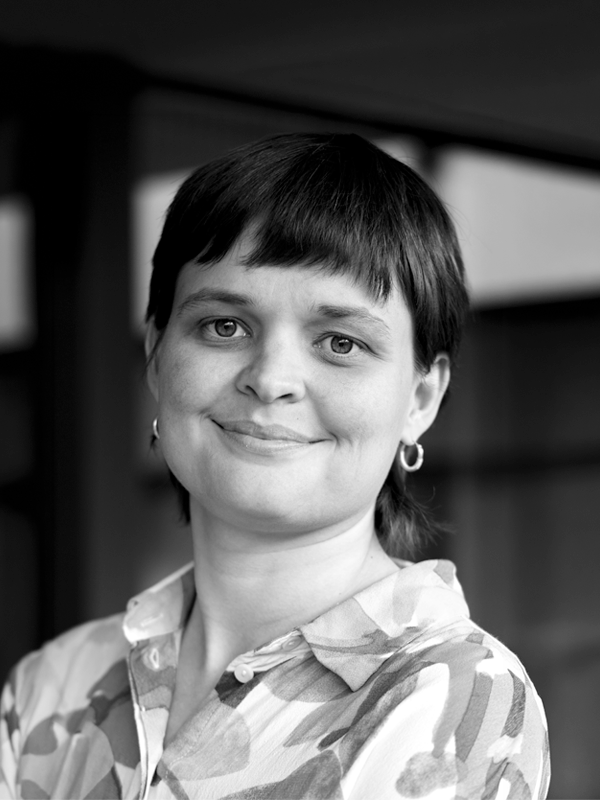
Marian Cramm
Project Manager, Foyer Public, Theater Basel
Marian Cramm is a cultural mediator specializing in dialogic engagement formats. As project director of the Foyer Public at Theater Basel, she has been leading, coordinating, and fostering connections at the Foyer since November 2025, transforming it into an open urban space that offers freedom and facilitates encounters and exchange. She studied Cultural Studies (M.A.) as well as Media Studies and Art History (B.A.) at the University of Basel and in Berlin. Her professional career has taken her to institutions including the Museum der Kulturen Basel and the Stapferhaus Lenzburg.
From 2021 to 2025, she served as co-director of the Frauenstadtrundgang Basel association, where she developed educational programs that combine historical perspectives with current social issues. She gained further experience in the Swiss Scout Movement in the area of diversity and inclusion. She is also a committee member at ggg kulturkick. In her work, she explores how cultural spaces can be made more accessible and how different perspectives can be made visible and complex social contexts can be made negotiable.
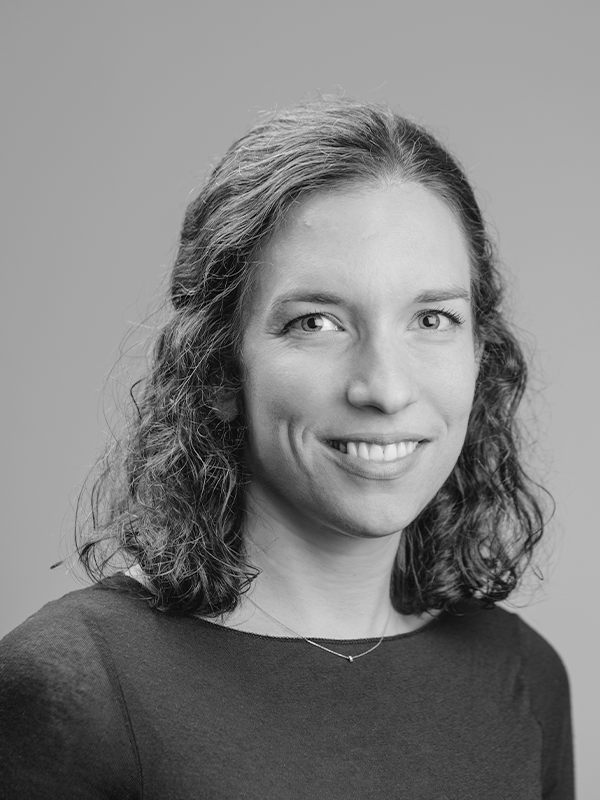
Dr. Veronika Ehm
Research Associate, EDUCULT
Veronika Ehm has been working at EDUCULT, a non-profit research institute in Vienna (Austria), since 2017. She is responsible for evaluations in the areas of cultural participation and aesthetic education, as well as for qualitative and quantitative social science methods. In research projects, she likes to use innovative methods, such as co-creative approaches or phenomenological vignette research, to collect and process data appropriate for the project and ensure its transfer.
She is a certified early childhood educator; she studied sociology and education at the University of Vienna, spent semesters abroad in Copenhagen and Jerusalem, and earned her doctorate in education. In her dissertation, *Art in Kindergarten: The Iridescence of Extraordinariness*, she examined aesthetic experiences and the atmosphere of art education in the context of early childhood education.
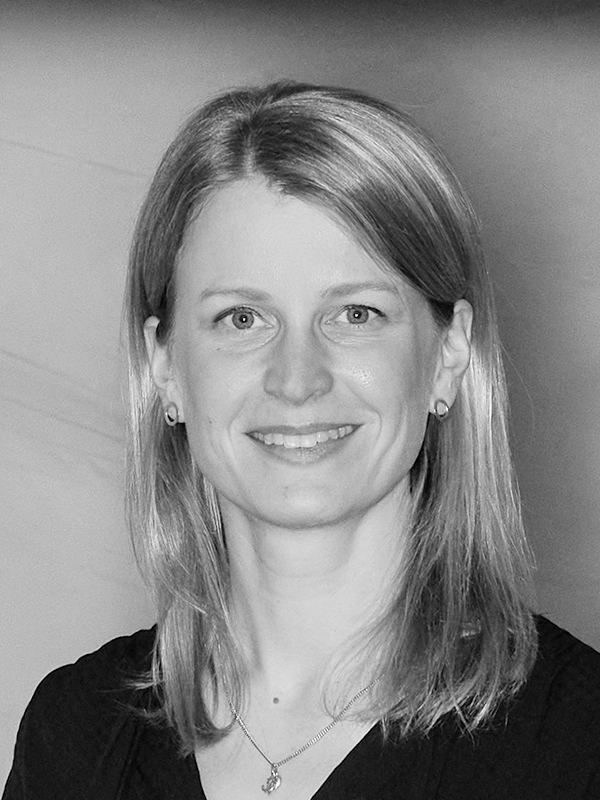
Dr. Theresa Gehringer
Project Manager for Grants, Foundation for Art, Culture, and History (SKKG)
Theresa Gehringer has been the Project Manager for Grants at the Foundation for Art, Culture, and History in Winterthur since 2023, where she supports museums throughout Switzerland in fostering greater public engagement with cultural heritage. Prior to this, she worked in the cultural and social grants department at the Christoph Merian Foundation and spent several years at the Center for Philanthropy Studies (CEPS).
In addition to her professional work, Theresa is a co-founder of Stiftungslabor, a digital experimental space for the Swiss foundation sector where participants collaboratively develop new practical knowledge.
As president of the Board for Good Foundation, she advocates for greater generational diversity and greater participation by young people in the Swiss foundation sector.
Theresa Gehringer studied business administration and sustainable development at the Universities of Bayreuth and Basel and earned a PhD in foundation management from CEPS. She is interested in trust-based and participatory funding practices that enable collaborative learning on an equal footing.
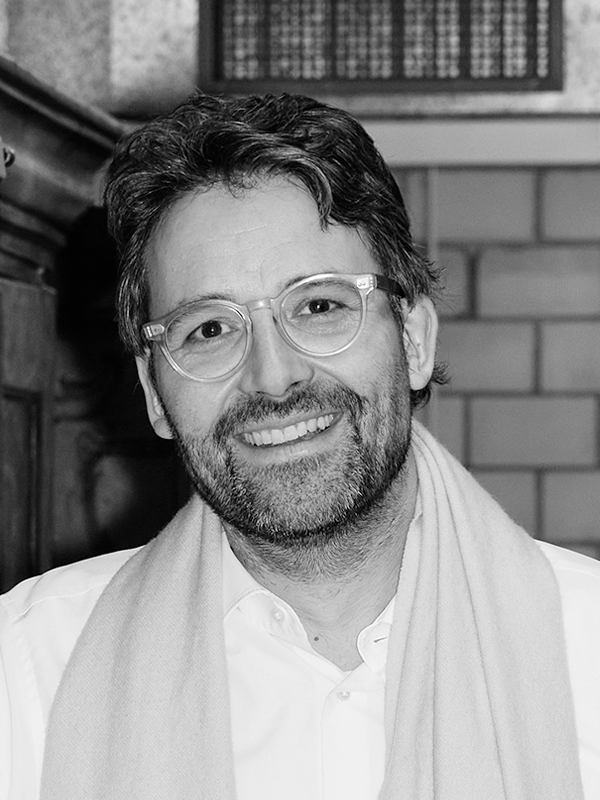
Andreas Geis
Director of Grants, Foundation for Art, Culture, and History
Andreas Geis heads the cultural funding division of the Foundation for Art, Culture, and History (SKKG). There, he has established a funding framework that takes impact, learning, and participation seriously—and treats museums not as recipients of funding, but as partners in processes of change. His work focuses on the strategic development of cultural institutions and the question of how they can shape social change in collaboration with communities.
Previously, he was responsible for programs on civic engagement, urban development, and the strengthening of civil society at the Körber Foundation in Hamburg. At the Stapferhaus in Lenzburg, he headed the education department and worked as part of the curatorial team.
Andreas Geis studied art history and sociology and earned an Executive MBA from the University of St. Gallen (HSG). He believes that philanthropy must be more than just giving money, and is committed to embedding an impact-driven approach in cultural funding and philanthropy.
He likes cultural venues that are open-minded, take a stand, and take their audience seriously.
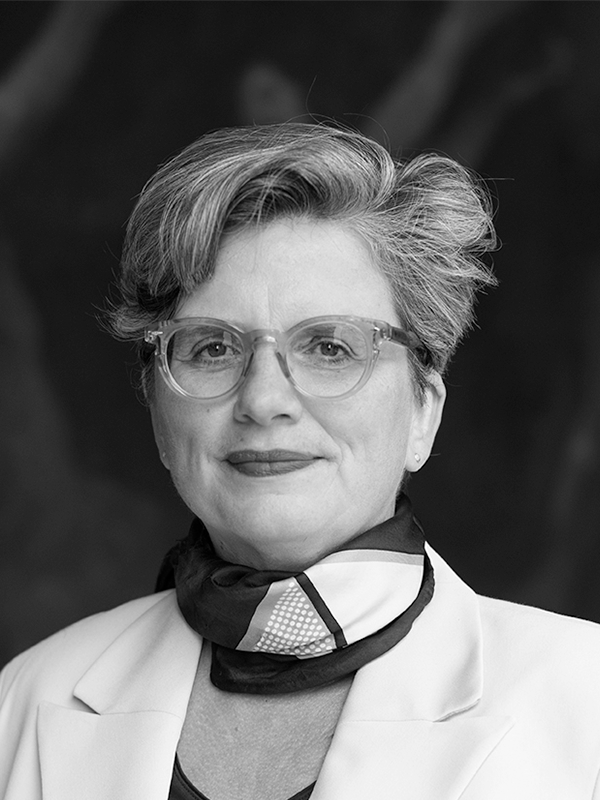
Dr. Katrin Grögel
Head of the Department of Culture, Basel-Stadt
Dr. Katrin Grögel earned her Ph.D. in art history from the University of Basel and has pursued further training in museum law, leadership, and financial management. She has been working at the Department of Culture of Basel-Stadt since August 2013, initially as a project coordinator for cultural projects (visual arts, film, and digital culture).
She has headed the Culture Department since January 1, 2018, initially as co-director alongside Sonja Kuhn, and has served as sole director since August 2021.
Peter Haerle
Consultant and Project Manager
Peter Haerle has been active at the intersection of culture, politics, and society for 30 years. From 2010 to 2021, he headed the City of Zurich’s Department of Culture. In this role, he served on the boards of major Zurich cultural institutions (including the Schauspielhaus, Kunsthaus, and Tonhalle) as well as national and international cultural policy organizations.
He has initiated and managed various large-scale projects (Manifesta 11, 100 Years of Dada). He currently works as a freelance consultant and project manager, serves on several foundation boards, and is a trained mediator.

Mika Haasler
Director of Community Music and Education, Konzerthaus Dortmund
Mika Haasler is an internationally recognized leader in the creative sector, working at the intersection of music, community, and urban space. As Head of Community Music and Education at the Konzerthaus Dortmund, she oversees Germany’s first major community music program within a concert hall and designs and implements over 25 socially engaged and participatory projects. Mika Haasler founded the Development and Partnerships team at Future Yard, a pioneering venue for community music, and shaped its strategic vision, fundraising efforts, and community partnership network.
Previously, Mika Haasler held various positions in the field of development at several organizations in the performing and visual arts, including the Liverpool Philharmonic, the Foundation for Art and Creative Technology, and the Clod Ensemble. She served as music director of the community choir “What We Did Next Singers” for five years and is an alumna of the Music Leaders Network 2025.
Daniel Häni
Entrepreneur and co-founder, 'Unternehmen Mitte'
Daniel Häni is an entrepreneur and co-founder of the Basel cultural and coffee house “Unternehmen Mitte,” which has been one of the defining gathering places in downtown Basel for 25 years. Established in 1999 in the former lobby of the Schweizerische Volksbank, it was modeled after European coffee house culture as a cultural hub, a “third place,” and a public living room with no obligation to purchase anything.
In addition, Daniel Häni co-initiated the Swiss popular initiative “for an unconditional basic income.” It was put to a vote in 2016 and sparked worldwide media coverage. The father of four is also a co-founder of the “Kulturimpuls Foundation” and the “Purpose Foundation” for responsible ownership, a member of the board of trustees of the “Revivis Foundation,” a member of the board of directors of “Pneumatit AG,” and a contributor to the “Free University of Spiritual Science” and the “Public Secrets Ensemble.” He advises companies and projects, such as the “World Child Forum” in Davos.
Meret Jaggi
Executive Director, Theaterplatz-Quartier Association
Meret Jaggi holds a master’s degree in art history and English studies (M.A., University of Basel) and has a professional background in Basel’s museum scene and the gallery world.
Since 2023, Meret Jaggi has been working as a cultural and project manager at the agency “das mgmt,” where, among other things, she co-leads the management of the Theaterplatz-Quartier association alongside Nicolas Schmutz.
Together with local cultural institutions, they revitalize, host events, green, and connect the neighborhood in the heart of Basel, thereby fostering a “third place” with great potential.
Anna Kleeblatt
Cultural manager and curator
Having grown up in her parents' theater, Anna Kleeblatt was Kleeblatt working at various musical theaters while she was studying business administration with a focus on marketing.
From 2006 to 2012, she served as Head of Marketing, Sales, and Development at the Bavarian State Opera.
Since 2012, Anna Kleeblatt has worked Kleeblatt an independent management consultant for cultural institutions and companies in the areas of marketing, sales, and service. She shares her expertise as a sought-after speaker and through educational lectures. In 2024, she founded the Audience Success Conference.
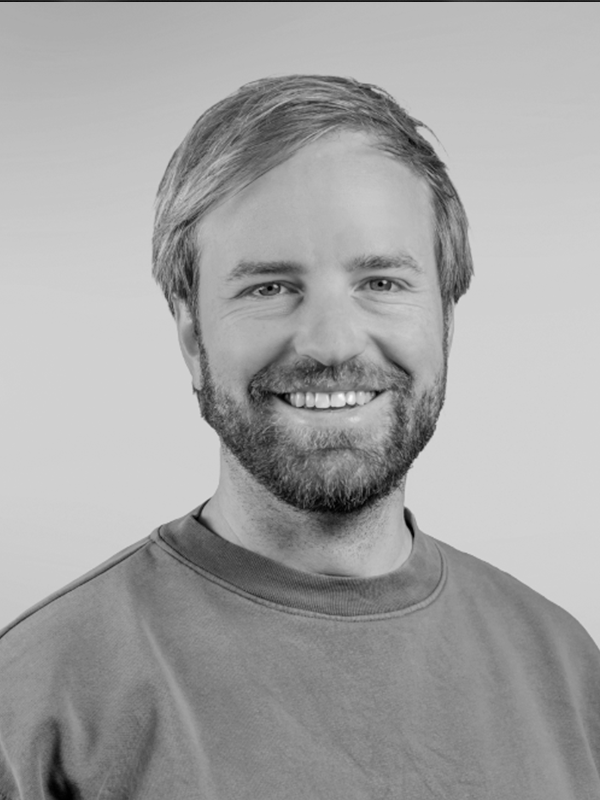
Johannes Küng
Lecturer, Lucerne University of Applied Sciences and Arts – Social Work, Institute for Sociocultural Animation
As the City of Opfikon’s Coordinator for Neighborhood and Volunteer Work (2018–2024), Johannes Küng worked with neighborhood residents to create livable communities. Since 2021, he has been a lecturer at the Lucerne University of Applied Sciences and Arts – Social Work and has been working at the Institute for Sociocultural Development on the topics of participation, social space, and sustainable development. His journey began with an apprenticeship as a timber construction specialist and a vocational baccalaureate in Wohlen. His studies in Social Work at the Lucerne University of Applied Sciences and Arts (LUAS), with a specialization in socioculture, and a formative exchange semester at the College of Urban Planning and Public Affairs (CUPPA) in Chicago sharpened his focus on participatory urban development. While working in Opfikon, he deepened his expertise through a master’s program; his thesis, “The Urbanization of the Agglomeration,” critically examines current urban development processes in the Zurich area.
In addition to his professional work, Johannes Küng is involved in promoting sociocultural development at both the strategic and operational levels. He serves on the board of the Association for Youth and Leisure (VJF) and the Zurich Open Youth Work (OJA). He is a member of the booking team at Kulturwerk Bleichi Wohlen and is responsible for purchasing and sales at Suave Kaffee, a micro-roastery.
In all his work, Johannes’s goal is to bring people together and collaborate to create inclusive spaces and places.
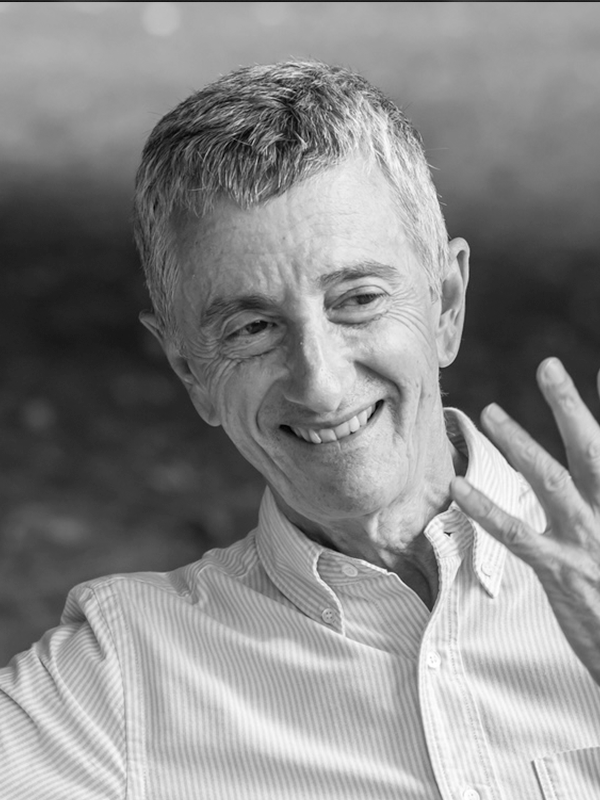
Prof. Dr. Vittorio Magnago Lampugnani
Architect, Baukontor Architects
Vittorio Magnago Lampugnani studied architecture at La Sapienza University and the University of Stuttgart, where he earned his doctorate in 1977. After serving as an assistant at the Institute for the Fundamentals of Modern Architecture and Design at the University of Stuttgart, he worked for the International Building Exhibition (IBA) Berlin. He was editor of the magazine *Domus* and subsequently served as director of the German Architecture Museum in Frankfurt am Main until 1995.
In 1994, he accepted a position at the Swiss Federal Institute of Technology Zurich, where he served as a full professor of the history of urban planning until 2017. From 1998 to 2001, he headed the Department of Architecture, and from 2010 to 2016, the Institute for the History and Theory of Architecture. In the meantime, he taught at various other universities, including the Graduate School of Design at Harvard University, where he continues to serve sporadically as a visiting professor. Among his scholarly publications, *Die Modernität des Dauerhaften* (1996) attracted particular attention. He revisited and expanded on this theme in the book *Against Disposable Architecture* (2023). He writes for various professional journals and for the *Neue Züricher Zeitung*.
In addition, Lampugnani runs the firm Baukontor Architekten in Zurich with his partner Jens Bohm. Among his most significant architectural projects are the master plan for the Novartis Campus in Basel, the Richti Quarter in Wallisellen, and the commercial building at Schiffbau in Zurich. He is currently working primarily on the urban planning for the expansion of Klybeck and the transformation of the Hafeninsel in Basel, as well as on a commercial building in downtown Zurich that incorporates natural stone as a structural element.
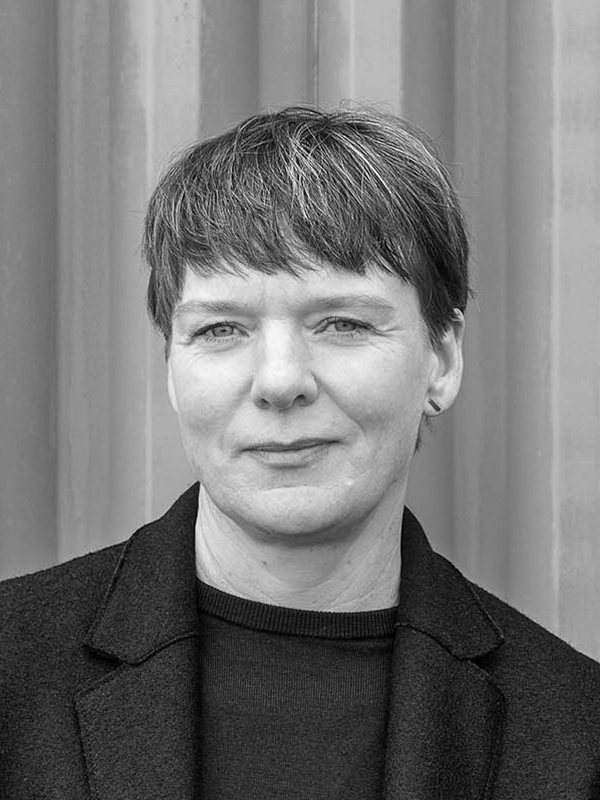
Tabea Michaelis
Co-Program Director and Co-Managing Director,
Collaborative Spatial Development HSLU Denkstatt sàrl
Tabea Michaelis is a trained perennial gardener, a certified landscape architect from the University of Applied Sciences Eastern Switzerland, and holds an M.Sc. in Urban Design from HafenCity University Hamburg.
Since 2012, she has been working at Denkstatt sàrl on process development and project management for repurposing and transformation projects involving various former industrial sites: from the Winterthur storage yard to the SBB workshop in Zurich, the Pratteln headquarters, and many others. Her focus lies on collaborative planning and facilitating participatory project formats such as Studio Dietikon and Studio Gleisbogen. Since March 2023, Tabea Michaelis has been co-developing the Master of Arts in Collaborative Spatial Development as co-program director; the program launched for the first time in the fall of 2024 at the Lucerne University of Applied Sciences and Arts (HSLU).
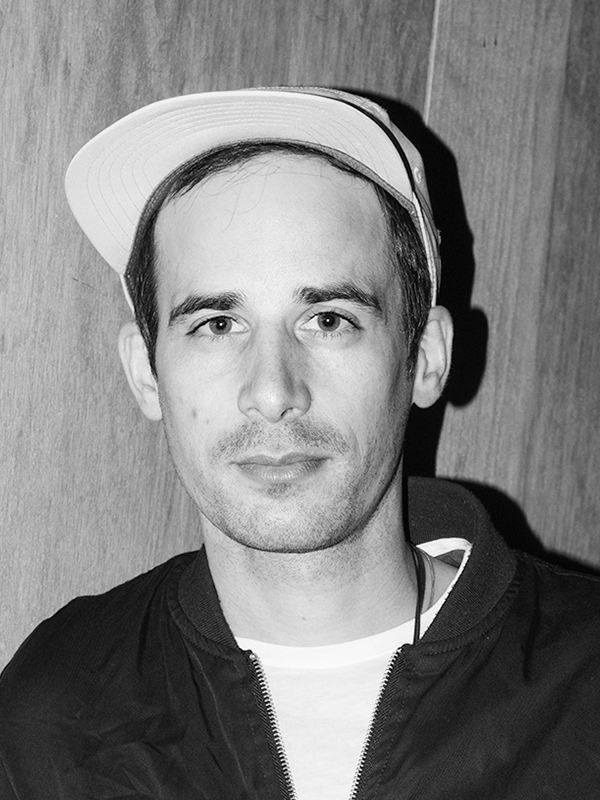
Patrick Oes
Co-Director of Theater Public, Theater Basel
Patrick Oes is a theater educator and director. He studied theater education at the Zurich University of the Arts. Since 2013, he has produced numerous theater projects in collaboration with professional and amateur theater artists.
He has been a member of the performance collective helium x since 2015.
From 2019 to 2020, he served as deputy director of theater education at the Schauspielhaus Zürich. Since the 2020–2021 season, he has been co-director of Theater Public at Theater Basel and a member of the theater’s management team. In this role, he helped develop the concept for Foyer Public and played a key role in its implementation.
Among other things, he is responsible for the production of *Die rote Zora und ihre Bande* at the Kleine Bühne at Theater Basel (2021–22 season). He is also a co-founder of the Diversity Working Group at Theater Basel.
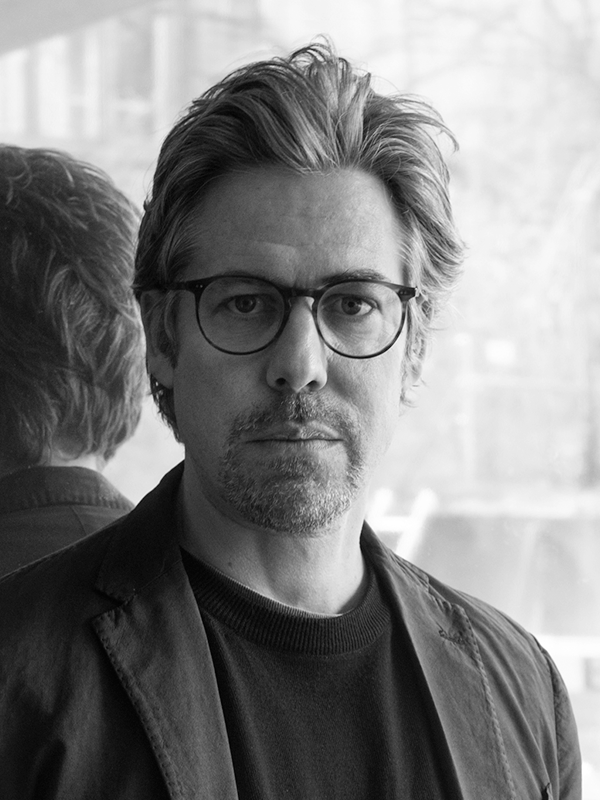
Benedict by Peter
General Director & Artistic Director of Opera, Theater Basel
Benedikt von Peter studied musicology, German language and literature, law, and voice in Bonn. He subsequently worked as an assistant director at various theaters and founded an independent theater collective. After several years in the independent theater scene, he directed productions at opera houses and theaters in Germany, Austria, and Switzerland (including Oper Frankfurt, Staatsoper Hannover, Komische Oper Berlin, Deutsche Oper Berlin, and the Vienna Festival). From 2012 to 2016, Benedikt von Peter headed the musical theater department at Theater Bremen. He was awarded the Götz Friedrich Prize, the “Der Faust” Theater Prize, and, in 2014, the Kurt Hübner Prize for the musical theater program and his own productions at Theater Bremen. From 2016 to 2021, Benedikt von Peter served as artistic director of the Lucerne Theater. Since the 2020/21 season, he has been artistic director and creative director of the Opera at Theater Basel.
A central focus of his artistic work is the relationship between theater, space, and the audience. His productions, such as *The Rise and Fall of the City of Mahagonny* and *Intolleranza 1960*, challenge the separation between stage and auditorium and develop musical theater as a shared physical experience within the space. Through walk-in spatial concepts, theater emerges as a social space where art is not merely observed but collectively experienced.
This approach also shapes his understanding of theater as an institution. At Theater Basel, he and his team have been spearheading structural change processes since 2020 aimed at making the theater more accessible to the public. He views the Foyer Public, which he initiated, as both an extension of the theater space and a public urban space: a consumption-free place of encounter and a stage for human behavior. Here, social coexistence becomes visible and negotiable as part of a theater that sees itself not as a venue for representation, but as an open workshop for shared experience.
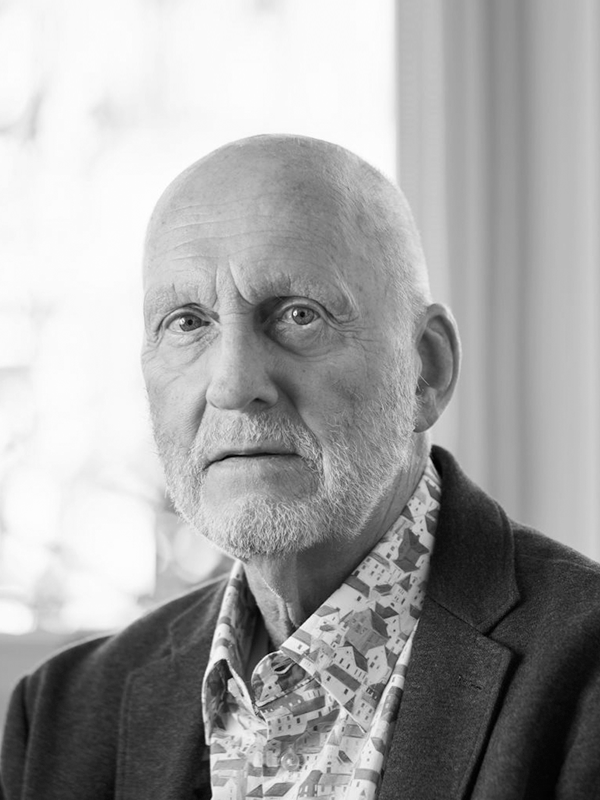
Professor Emeritus Dr. Udo Rauchfleisch
Psychologist and author, private psychotherapy practice in Basel
Udo Rauchfleisch is Professor Emeritus of Clinical Psychology at the University of Basel. He completed his studies in psychology in Kiel and Lubumbashi, Democratic Republic of the Congo. After working for four years (1967–1970) as a clinical psychologist in child and adolescent psychiatry at the LKH Schleswig and for 30 years (1970–1999) as a senior clinical psychologist at the Psychiatric University Polyclinic in Basel, he has been working as a psychotherapist in private practice since 1999. In addition, he is a psychoanalyst. He continues to give guest lectures at universities in Switzerland and abroad and has published works on the theory and practice of psychoanalysis, on violence, antisocial behavior, the intersections of music psychology and theological psychology, and on sexual orientations and gender identities. He also writes crime novels that feature queer themes and are set in Basel. One of his most recent books is *Loneliness – The Challenge of Our Time*.
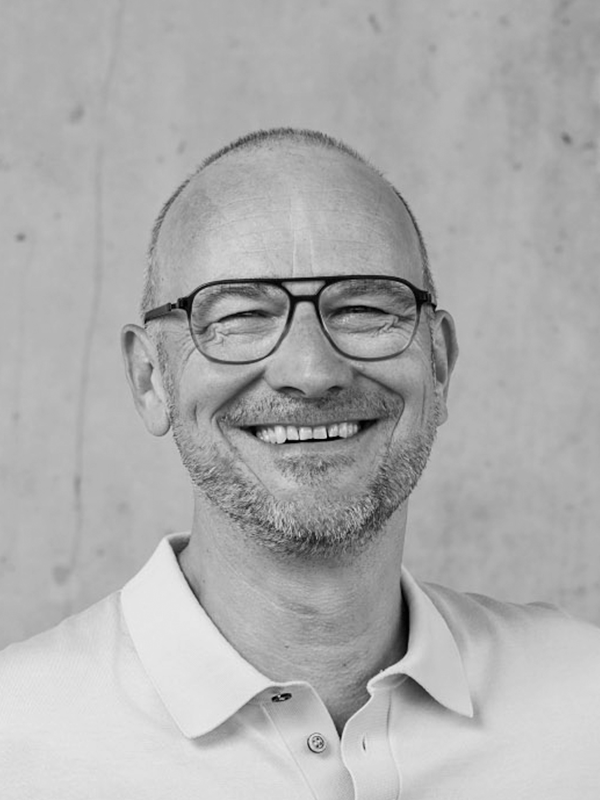
Walter Reinhard
Head of Management Support & Coordination,
Head of the Urban Development Forum “Basel 2050”
After training as a structural drafter and bricklayer, Walter Reinhard completed the specialized program in interior architecture, construction, and product design at the School of Design in Basel. After several years of working as an independent architect, he established and managed a fashion label in the sustainability sector. Since 2016, he has held a staff position in the Urban Planning & Architecture Department of the Canton of Basel-Stadt. In particular, he heads the “Basel 2050” Urban Planning Forum.
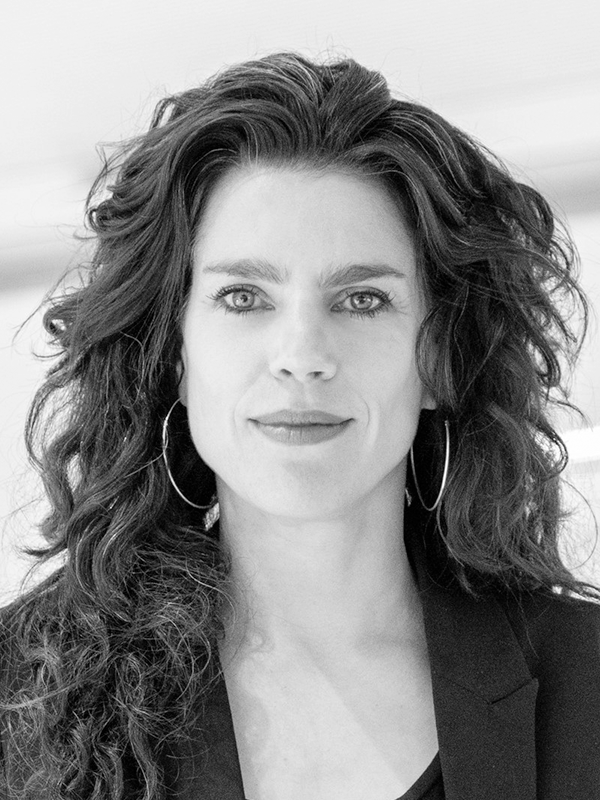
Nelly Riggenbach
Director of Brand Experience, Novartis
Nelly Riggenbach is Director of Brand Experience at Novartis in Basel. She designs brand, spatial, and interactive experiences at the intersection of business, society, and the public. Together with her team, she develops exhibitions, formats, and spaces that encourage dialogue, spark curiosity, and make complex topics accessible and engaging through sensory experiences.
After completing her foundation course at the School of Applied Arts, she studied process design at Hyperwerk, the Institute for Experimental Design and Media Cultures, at the Basel University of Art and Design FHNW. This education continues to shape her thinking to this day: interdisciplinary, research-oriented, and with a strong interest in how processes, relationships, and spaces influence the way we live together.
Before entering the corporate world, Nelly Riggenbach spent several years working as a consultant at various agencies—including in the fields of communications, film production, and employer branding. This experience sharpened her ability to see things from different perspectives and strengthened her skill in connecting people, topics, and disciplines to develop stories that are both substantively sound and emotionally engaging.
In addition to her professional work, she volunteers as a board member of the Basel Social Club, a platform for culture, exchange, and new ways of connecting in urban spaces.
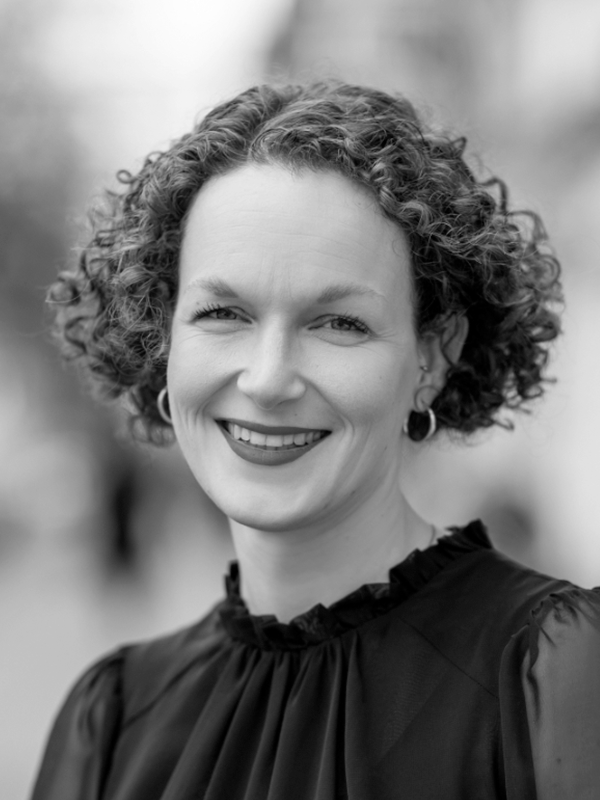
Elisabeth Roos
Project Manager, #TrustMakesADifference
As a project manager at #VertrauenMachtWirkung, Elisabeth Roos is responsible for coordinating and administering the initiative as well as organizing events. Working with Fabienne and the team, she develops various event formats, handles event coordination, and organizes community activities within the network. Thanks to her previous work in the cultural sector, she understands the realities and needs of nonprofit organizations and funding partners, enabling her to assess perspectives and identify opportunities for collaboration.
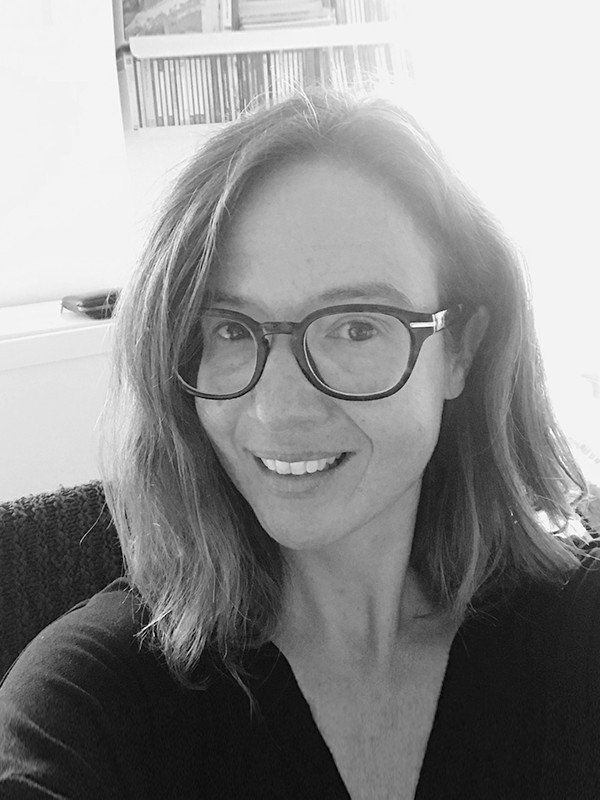
Anna Rose
Director, Space Syntax
Anna Rose is a board member at Space Syntax in London and works at the intersection of architecture, urban planning, and spatial analysis. In her work, she examines how spatial structures influence mobility, encounters, and social interaction in buildings and cities, and how these insights can be incorporated into planning and design processes.
Space Syntax’s work is based on the Space Syntax approach, which analyzes spatial networks and other relevant user, urban, and building data, and examines their impact on usage, accessibility, and urban dynamics. Anna Rose collaborates with international planning teams, public institutions, and cultural organizations on projects of various scales, ranging from urban development strategies to complex buildings and public spaces. Among other projects, she advised Theater Basel on the Theater Platz Quartier project, providing urban planning studies on spatial connectivity and visual presence, data analyses on pedestrian traffic, and design consulting for the public space.
A particular focus of her work is on cultural institutions such as museums, cultural centers, and educational institutions. She explores how spatial organization, layout, accessibility, and social interaction influence usage patterns, and how architecture can create open and welcoming spaces for diverse groups of visitors.
Anna Rose is a member of the think tank Konferenz Dritte Orte where she contributes her perspective on the spatial requirements of meeting places and social infrastructure in cities.
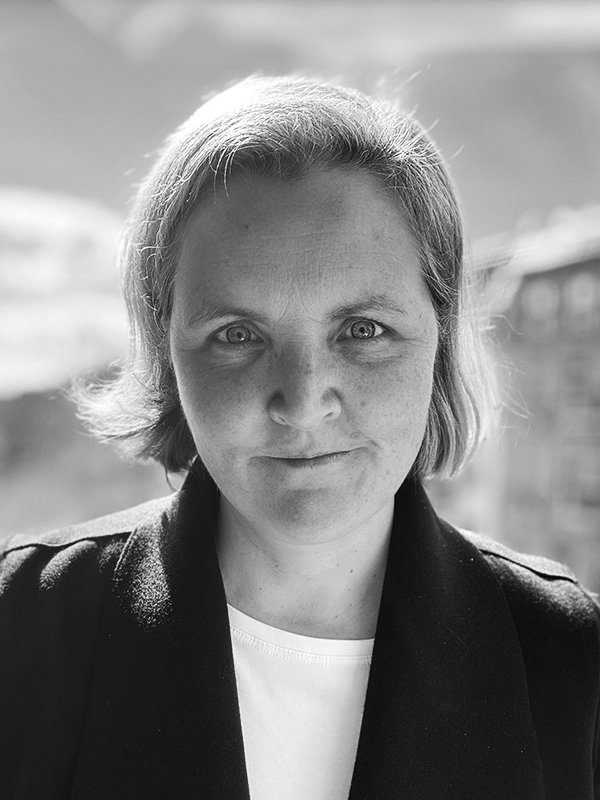
Christina von Rotenhan
Organizational Consultant, rotenhan Advisory
Christina von Rotenhan has been working as an independent organizational consultant since 2016, supporting foundations, social and cultural organizations, and values-driven companies through change processes. She assists leadership teams and governing bodies in clarifying strategic issues, implementing strategic initiatives, and fostering effective collaboration.
Christina von Rotenhan has designed and implemented exhibition and publication projects in and for museums through international collaborations. She was a member of the executive board of Consense, a philanthropy consulting firm and spin-off of the University of Basel. Her work with various organizations sparked her interest in how organizations can evolve to remain effective and capable of action in the long term. She is a certified organizational developer (DGSF) and teaches courses on collaboration and social impact.
Christina von Rotenhan has been involved in the establishment and further development of the Foyer Public at Theater Basel since 2018. This process has demonstrated how a specific project can give rise to fundamental questions about an organization’s future development—and that such initiatives can only be effective if the organization itself evolves alongside them.
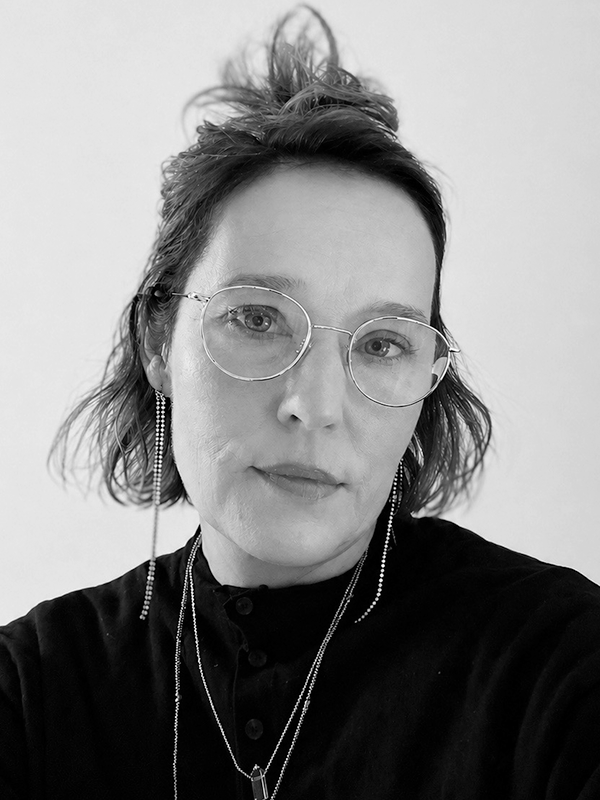
Adriana Ružek
Co-Director and Street Worker, Schwarzer Peter Street Outreach Association
Adriana Ružek is co-director and outreach worker at the Schwarzer Peter association in Basel. After working in the media and advertising industries, she completed training programs in online journalism (MAZ Lucerne) and as a communications specialist (SAWI), as well as a CAS in psychosocial counseling at the FHNW.
In her work, she navigates public spaces and their peripheries on a daily basis—a social arena where diverse needs, forms of visibility, and boundaries intersect. She explores issues of accessibility, social participation, and the tensions that arise from them—and how cities can keep spaces open to everyone.
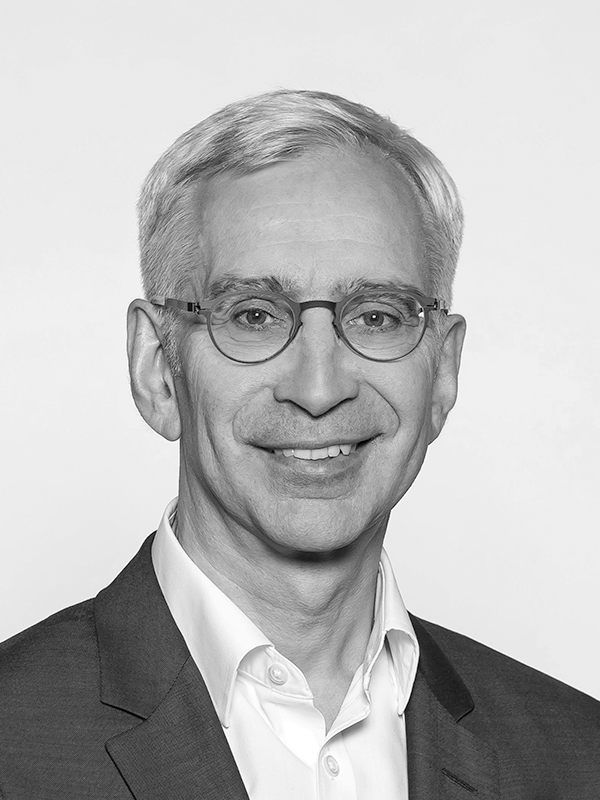
Dr. Reinhard Scolik
Chair of the Board of Trustees, Kirch Foundation
Reinhard Scolik works as an independent management consultant specializing in the media industry. Since 2022, he has served as chairman of the board of trustees of the Kirch Foundation and as chairman of the board of the Unitel Music Foundation, both based in Munich.
He holds a doctorate in law and worked for Austrian Broadcasting Corporation (ORF) until 2016, serving, among other roles, as head of the Strategic Planning Department and as director of television programming. From 2016 to 2021, he served as director of television and director of cultural programming at Bavarian Broadcasting (BR). In these roles, he was responsible for international cultural programming such as 3sat and Arte. He is a member of the Board of Trustees of the Mozarteum Foundation and the Board of Directors of the Society of Music Friends in Vienna (Musikverein).
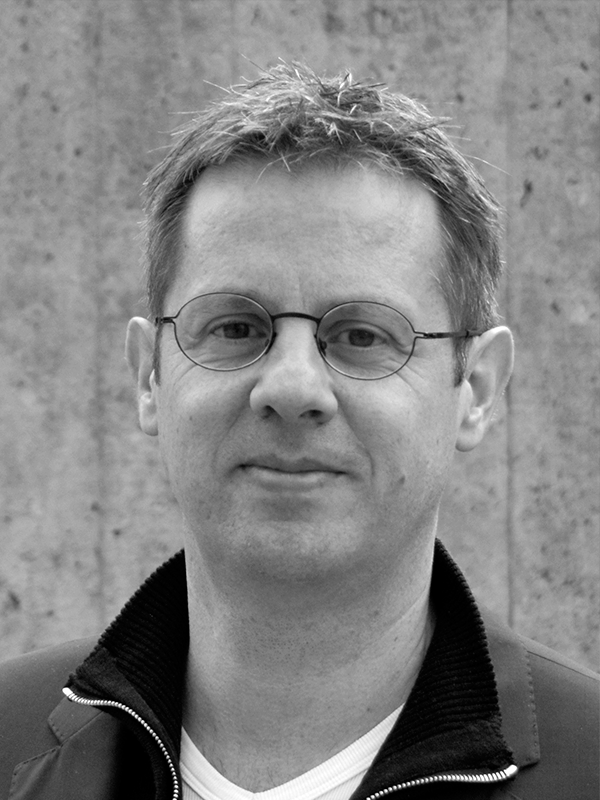
Robert Schmuki
Head of Legacy, Special Olympics World Winter Games Switzerland 2029
Beginning in 1998, historian, ETH-trained architect, and urban planner Robert Schmuki dedicated himself to creating “third places” for young people in sports halls that stood empty on weekends as part of neighborhood development efforts. Over the course of 15 years, he established around 120 such spaces throughout Switzerland and founded his own foundation (Stiftung IdéeSport) for this purpose. In 2014, he stepped down from his foundation, first becoming director of a major aid organization and then head of continuing education at the Center for Philanthropy Studies at the University of Basel. There, he focuses heavily on the sustainability of charitable programs in the social, cultural, and environmental sectors.
In 2021, Schmuki co-founded a university spin-off focused on organizational and strategic development for social and cultural organizations. In this role, he advises approximately 160 nonprofit organizations and grant-making foundations. The issue of funding is often at the heart of these development processes.
In 2025, he will return to a hands-on role as head of social policy initiatives for the “Special Olympics World Winter Games Switzerland 2029,” the Winter Olympics for people with intellectual disabilities. The goal of this work is to advance the implementation of the UN Convention on the Rights of Persons with Disabilities in Switzerland. Access to social life is at the heart of this effort. To ensure this access and social cohesion, he and his team collaborate with a broad network of funding foundations and government agencies that make this work possible.
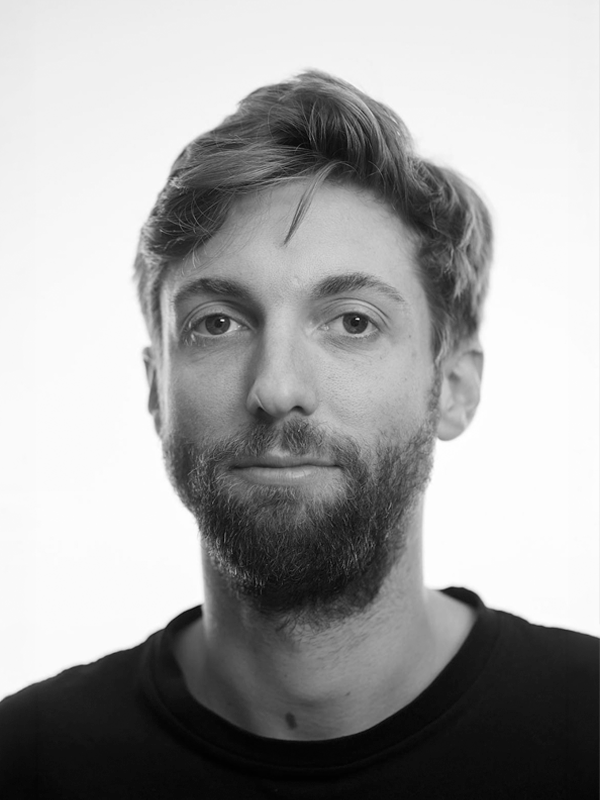
Nicolas Schmutz
Executive Director, Theaterplatz-Quartier Association
Nicolas Schmutz is a cultural and project manager. Together with Frederick Dürr, he founded the communications and event management agency “das mgmt” in 2018. The agency organizes events such as Basel Museum Night and Basel Art Days, and develops new formats such as Industry Night and Insight Basel.
Nicolas Schmutz has been co-directing the Theaterplatz-Quartier association with Meret Jaggi since 2022. Together with the cultural institutions in the neighborhood, they are revitalizing, hosting events, greening, and connecting the neighborhood in the heart of Basel, thereby fostering a “third place” with great potential.
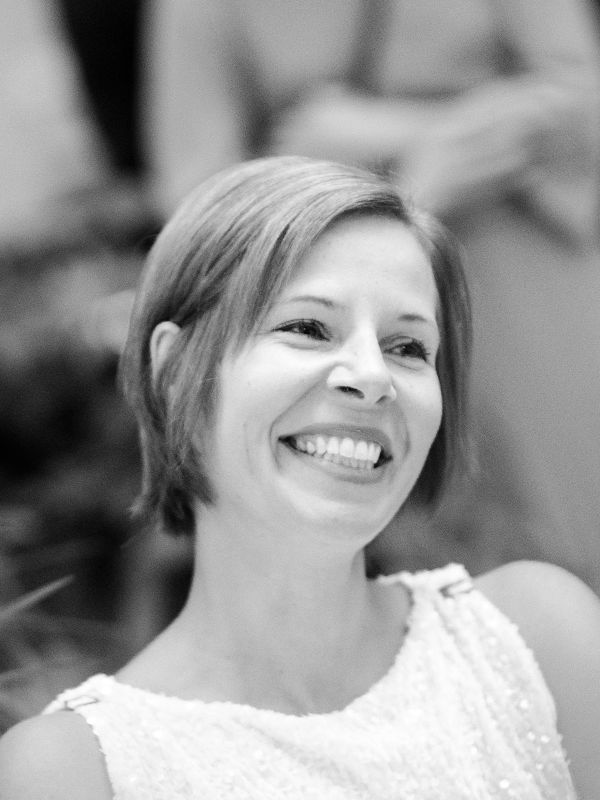
Wiebke Stockinger
Managing Director, Halle E+G BetriebsgesmbH
Wiebke Stockinger is a cultural manager and managing director of Halle E+G BetriebsgesmbH at the MuseumsQuartier Vienna. Previously, she served as deputy commercial director, authorized signatory, and sustainability officer at Burgtheater GmbH, as well as operational managing director at Wachau Kultur Melk GmbH. Her work focuses on strategic organizational development, sustainability, human resources management, and contract and budget responsibility. Stockinger studied theater, film, and media studies at the University of Vienna, completed training in cultural management, and is a certified sustainability and ESG manager.
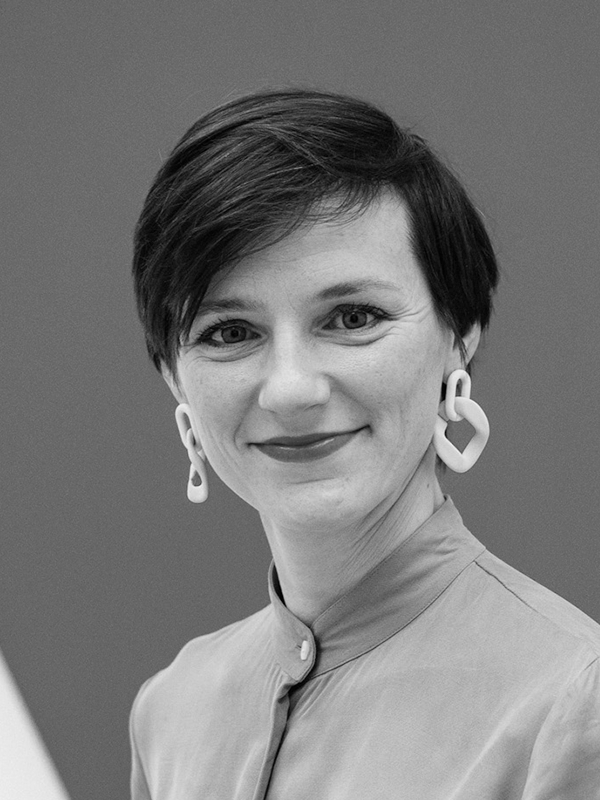
Eva Tillig
Director of the Pinakothek der Moderne Foundation Office, Project Manager for FLUX – at the Pinakothek der Moderne
Eva Tillig is a cultural manager and heads the administrative office of the Pinakothek der Moderne Foundation in Munich. She is currently responsible for the planning and implementation of the third site, “FLUX,” at the Pinakothek der Moderne. She studied cultural management at the University of Passau and communication and cultural management at Zeppelin University. After completing her studies, she worked for several years on the curatorial team at Museum Marta Herford, where she organized exhibitions.
Since 2021, she has shaped the foundation’s strategic direction, and since 2024, she has been responsible for implementing the Third Place FLUX.
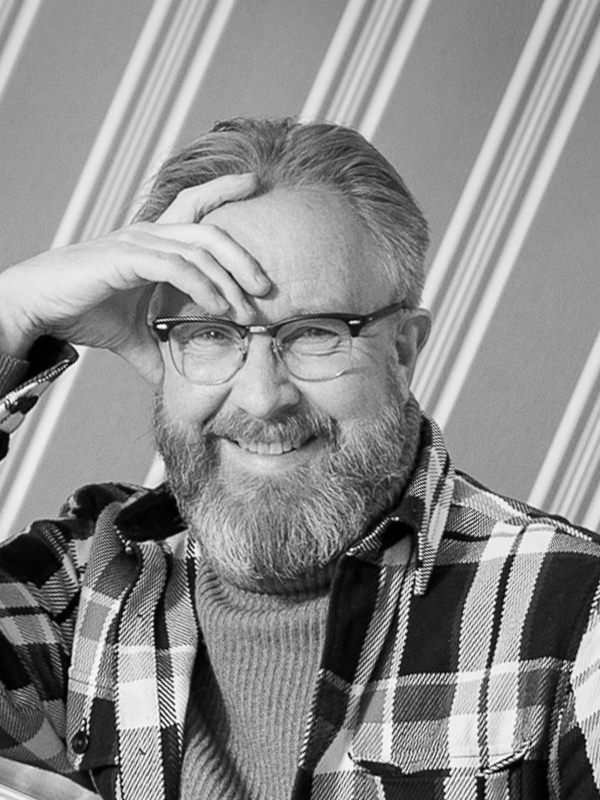
Aat Vos
Creative Director, includi
Aat Vos is an architect, author, and internationally recognized expert in the design of “third places”: public spaces that feel like a home away from home. As the founder of includi, a consulting and design agency based in Groningen, he works with libraries, cities, and cultural institutions around the world to create places that foster connection, a sense of belonging, and community life.
With more than thirty years of experience, Aat Vos combines architecture with social design and urban planning. His work focuses on transforming public spaces into inclusive, people-centered environments that invite people not only to visit, but also to linger and thrive. He works closely with local stakeholders to ensure that every place reflects its community and strengthens the social infrastructure.
Recent projects include the transformation of the Stadshuis Nieuwegein into a vibrant community hub, the award-winning Bonaire Library, the Warenhuis Oss, and the Schleswig-Holstein State Library, all of which are recognized for their significant social impact and innovative approach to public spaces.
Aat Vos is the author of *Come, Stay, Grow: The Art and Science of Places That Connect Us* and *3RD4ALL: How to Create a Relevant Public Place*. Through his lectures and workshops, he inspires audiences around the world to rethink how spaces can contribute to collective well-being.
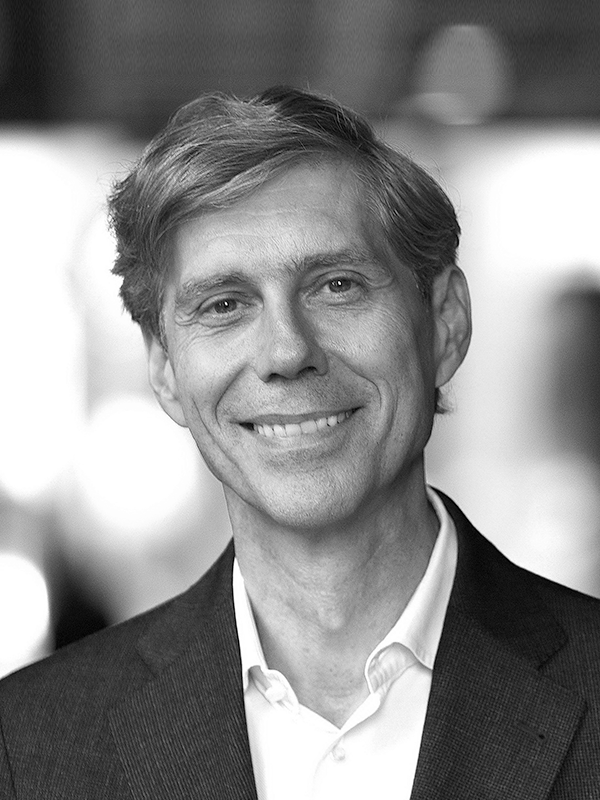
Max Wagner
cultural manager
From orchestras to opera houses and cultural centers to the leadership of a foundation: cultural manager Max Wagner has overseen major transformation processes in every role he has held. He also became an expert in construction projects for cultural institutions, discovering their potential as “third places” in the process. Everywhere he went, he was deeply committed to establishing a strong organizational culture and fostering a sense of personal responsibility among employees.
Born in Munich, he studied law in Munich and Paris, then voice in Dresden and Mainz. After completing his legal clerkship, he initially worked as a lawyer and singer before moving behind the scenes as Executive Director of the Stuttgart Chamber Orchestra. As Executive Director of the Staatstheater am Gärtnerplatz and later as Managing Director of Munich’s Gasteig, he came to know and love large-scale construction projects at cultural institutions. While researching the renovation of the Gasteig, the concept of “third places” took on an increasingly central role in his work and led him on journeys to such places throughout Europe. These insights were subsequently applied for the first time in the planning and implementation of the Gasteig HP8 interim location. As managing director of the Beisheim Foundation, he initiated the “Third Places” program at major Munich cultural institutions, including the Bavarian State Opera, the Haus der Kunst, and the Schauburg Ramersdorf.
As of May 2026. Subject to change.